Bound Newsletter 12.8.2025
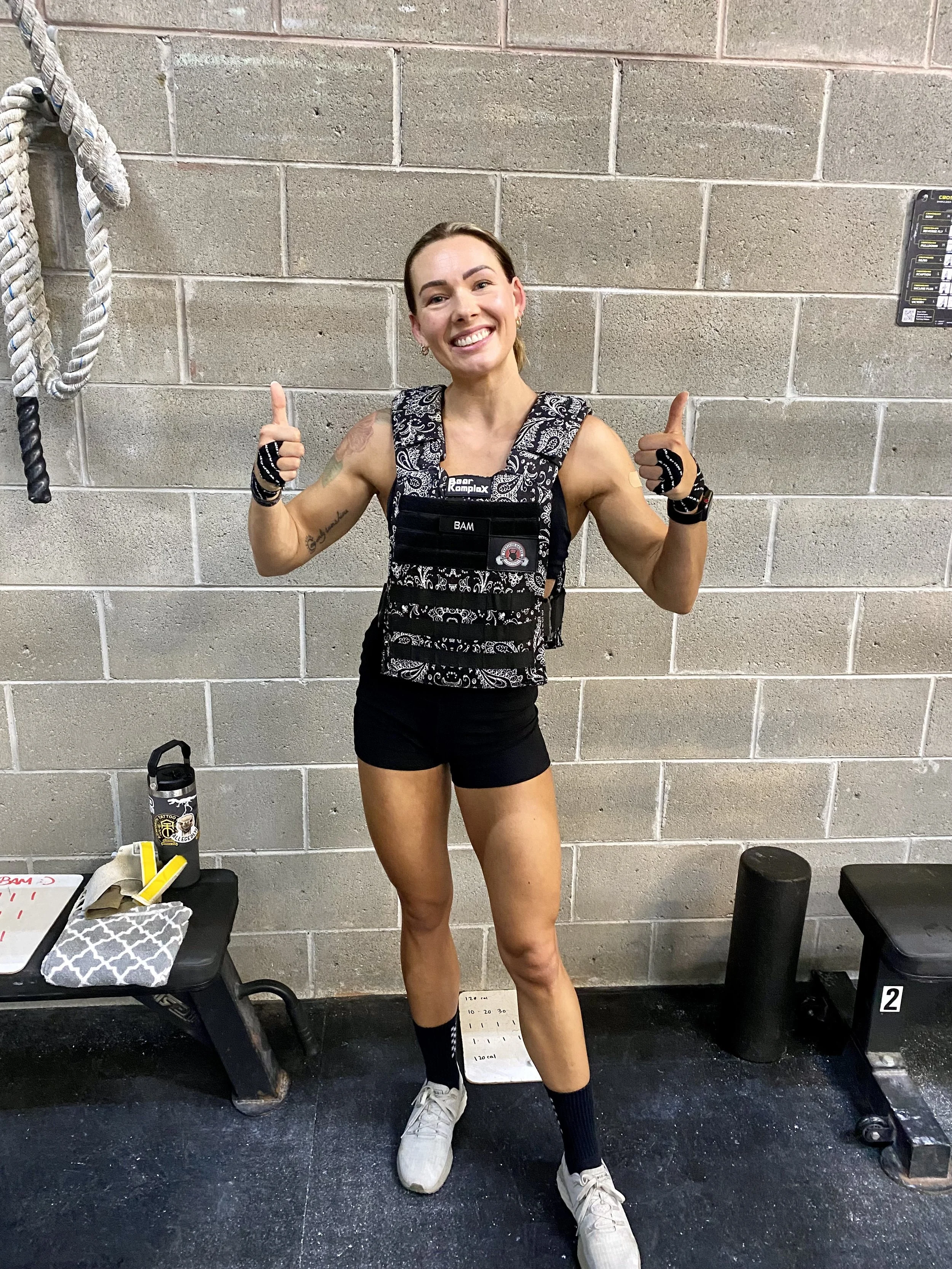
Athlete of the Month: Brittany Marshall aka “BAM”
This month’s Athlete of the Month embodies what it means to set ambitious goals, stay disciplined, and evolve into the strongest version of yourself—inside and outside the gym. From hitting a 300 lb deadlift to mastering double unders and leveling up her daily habits, she’s proof that consistency and belief in yourself can completely reshape your life.
Her journey is rooted in confidence, quiet discipline, and a willingness to show up even when no one is watching. She’s become an example of resilience, focus, and how powerful it is to surround yourself with a community that pushes you forward. Whether she’s attacking a chipper, dialing in her nutrition, or managing her time like a true Type A pro, she leads by action.
We’re proud to celebrate her journey, her growth, and the bright future she’s building rep by rep.
Full Q&A
1. What goals did you set for yourself this year, and which one are you most proud of achieving?
I had 3 goals: hitting a 300lbs deadlift, 125lbs bench press & consistent double unders! I am most proud of the deadlift. I think given my size, I can be a little deceiving in my abilities. I like to surprise people!
2. What kept you motivated to stay consistent and show up to the gym every day?
Seeing my progress and knowing that I am in this for the long haul is what keeps me motivated. Every time I step into the gym there is a chance to get 1% better. I want to make the girl who was scared to start crossfit 4 years ago proud!
3. How has discipline with your nutrition helped your training and overall lifestyle?
Nutrition is king. I never wanted to believe it but what you put in, is exactly what you'll get out. I make protein a priority everyday and am aware of the types of foods I need to eat in order to fuel my body properly. I keep it really simple and a little boring but that's what gives me the results I want. But don't be fooled, TacoBell is still one of my favorite meals!
4. What habits or routines help you stay on top of your time management?
I consider myself very "Type A" — staying organized and working with a sense of urgency helps me get things done efficiently and timely.
5. What’s one breakthrough moment you had recently—inside or outside the gym?
I think taking time to pause and really enjoy where I am in life because at one point this is what I prayed for. It's easy to get caught up in comparison to others or hitting goals, and quickly moving onto the next thing. But, really sitting and enjoying the season of life I am in is important too.
6. How has the CrossFit Bound community supported your journey?
CFB has been everything! I love the analogy: "you can only grow as big as your fishbowl" and that couldn't be more true in my case. I'm forever thankful for my first CF gym that helped me fall in love with the sport but CFB, the coaches & community have helped me reach new heights in my journey that I never thought were possible. Finding a gym that supports your goals, pushes you outside of your comfort zone with people who believe in your success is top tier. (Again - a 300lbs deadlift!!!)
7. What advice would you give to other women working toward their own goals?
You can do hard things. You can also pick up really heavy weights and should do so often! Take creatine everyday, make protein a priority and keep stacking small wins. Every time you show up and put in work you are making a deposit into the bank of your future self.
8. What new goals are you setting for the coming months?
The goals for 2026: handstand walks & butterfly pull-ups.
9. What’s your favorite movement or workout—and why?
Any chipper style WOD is my jam. Something where I can just put my head down and do work!
10. Anything else you’d like to share about your journey or what CrossFit Bound means to you?
I'd like to thank my best friend Melanie for pushing me to move to CFB. She knew how apprehensive I was to make a change but she also knew better than I did at the time that it would be the best decision for me and my goals. Crossfit is something I want to do for as long as I am able. This is my marathon and I am grateful to be part of the CFB community!
Bragging Board
Mary Turner connecting 3 Bar Muscle Ups
Let’s Welcome New Member
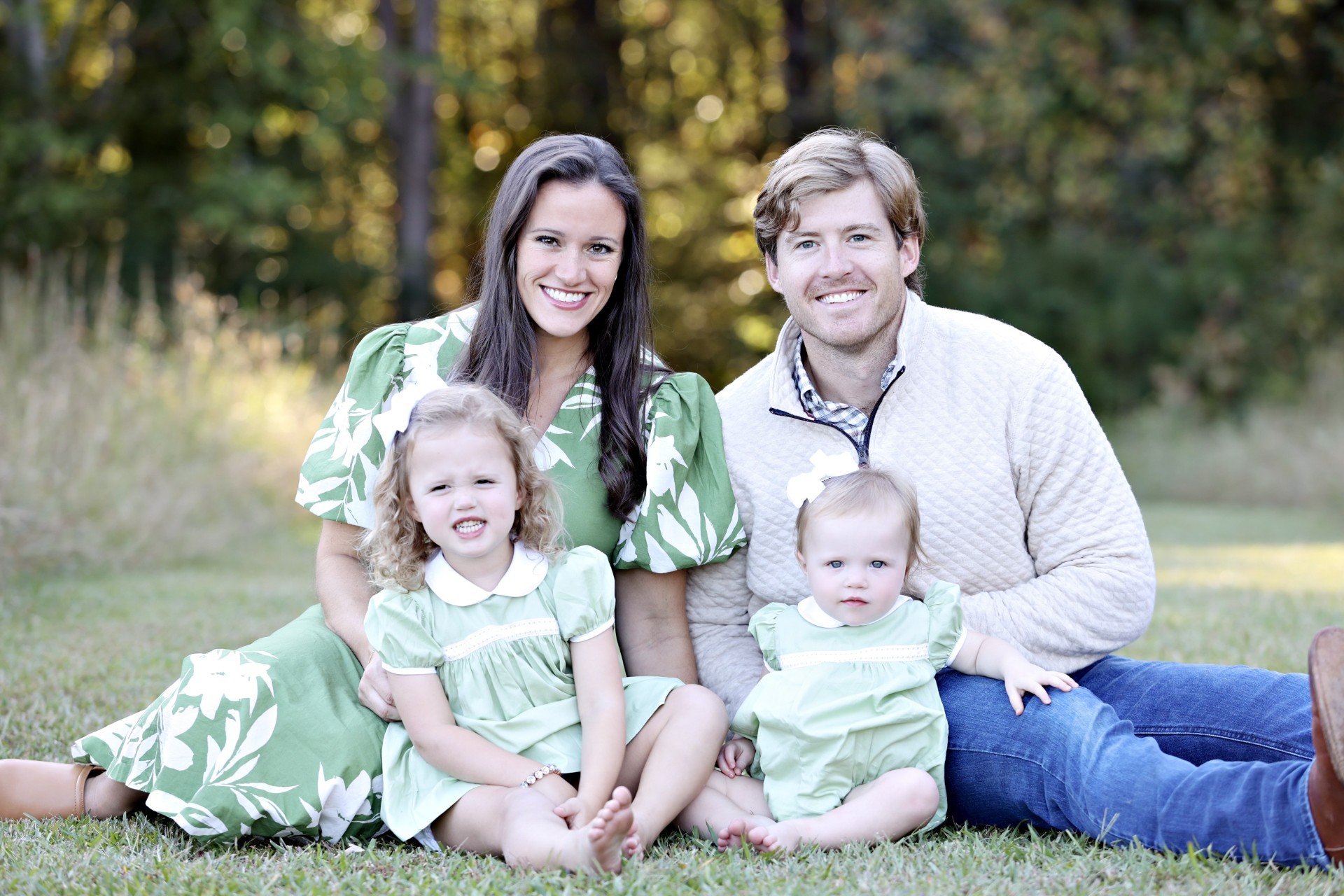
Sam Stark
What inspired you to join the CrossFit Bound community?
Love CrossFit and everything about it. Ready to get back into it - Bound is the perfect gym.
What’s one goal you are excited to work toward?
Olympic lifts. Excited to get strong again and improve technique.
What’s something the bound community should know about you?
The Bound community should know War Eagle.
Upcoming Brithdays
Birthdays
Elaine Dunbar Dec 12
Jeff Valenti Dec 13
Cris Aponte Dec 15
Caleb Forsyth Dec 15
Susan Asbell Dec 17
Hilary Maloney Dec 18
Jermaine Johnson Dec 22
Matt Gray Dec 26
Dylan Porter Dec 27
Walter Davila Dec 28
Noe Ruiz Dec 28
Brittany Ringrose Dec 30
Upcoming Schedule & Events
Helen Holiday Half & 10K Race - December 13, 2025
discount code ‘Helen10’. *thank you Jen Wells!
Holiday / Christmas Schedule
December 24/25
closed
December 26
8 & 9 am only
December 27
9 am
December 31
5:30,6:30,9am, and 12pm classes
no evening classes
January 1st
9 am and 12 pm classes
January 10th - Onward “Shoulder Mobility Clinic” with Kristin Humphries
10 am to 12 pm *following the morning class
CrossFit Journal Article of the Week: Build Resilience, Not Fragility: The Science of Training CrossFit Safely Through Every Decade
By Dr. Dustin Jones, PT, DPT, and Dr. Christina Prevett, PT, PhD
You’ve been training for years, perhaps even decades. But does what worked at 30 still work at 50?
Aging is inevitable. Training for it isn’t.
Your body changes, but how quickly it declines depends entirely on what you do about it. Every workout you do today is an investment in your future self by building the strength, mobility, and capacity you’ll need at 60, 70, and beyond. The CrossFit methodology works across your entire lifespan, but your approach needs to evolve with you.
Age-related decline begins subtly and accelerates after the age of 50, intensifying further after 70. Your training, lifestyle, and daily choices compound over time, for better or worse.
Here’s what to expect as you age:
Cardiovascular System
As we age, our hearts and surrounding vessels change. Resting heart rate decreases, and the vessels stiffen, accumulating atherosclerotic plaque. The heart can lose efficiency and weaken, even as it grows larger.
While this may sound alarming, exercise, particularly high-intensity exercise, is a decisive mitigating factor. Active individuals in their 70s can have a VO2 max (a marker of cardiorespiratory fitness) comparable to that of an inactive 20-year-old!
Pulmonary System
Mobility changes to the trunk increase chest stiffness. Many older adults develop thoracic spine curvature, which limits deep breathing. Combined with weakened breathing muscles, this makes breathing more difficult at higher intensities.
Maintaining mobility and engaging in high-intensity exercise helps keep your breathing muscles strong, allowing you to feel your best as you age.
Musculoskeletal System
Muscle mass is a critical longevity factor. While muscle mass declines with age, continued strength training allows many older adults to maintain significant strength and mobility into their advanced decades.
Type II muscle fibers, our fast-twitch, quick-reacting fibers called upon under high loads, speeds, and fatigue, are particularly affected by aging. The common advice is often to slow down, do less, and avoid strain. But muscles work on a “use it or lose it” principle. Without challenging your muscles, you lose the physical capacity that keeps you safe and healthy. Carrying groceries, catching yourself from a fall, and lifting a suitcase all require strength. Effortful strength training helps maintain the muscles you need to move through life safely.
Particularly for women (though not exclusively), osteoporosis risk increases. Osteoporosis decreases bone mineral density to critical levels, making fractures from falls or injuries more likely. High-intensity strength training and impact training are both cornerstones of osteoporosis prevention and management. Strong bones are safe bones.
Hormone Changes: Testosterone and Estrogen
With age, sex hormones decline. For men, testosterone decreases gradually. For women, estrogen levels sharply decline during the menopausal transition (average age in the U.S. is 51), increasing risk for cardiovascular disease, osteoporosis, and pelvic floor dysfunction. These hormonal changes influence muscle building, reducing hypertrophy and muscle growth.
For women, exercise is a crucial component of menopause management, helping to protect bones and mitigate the severity of vasomotor symptoms, such as hot flashes and night sweats.
The Safest Thing You Can Do
Now that we’ve discussed age-related changes, you may notice a recurring theme: Many factors influence these changes, but there’s one we can control — exercise.
Exercise builds physical capacity. The greater your capacity, the greater your physical reserve. The greater your reserve, the greater your resilience to decline. This is why physical inactivity and sedentary behavior are considered “age accelerators”; they have hazardous and adverse consequences. Exercise, on the other hand, is an “age decelerator.” Exercise is one of the safest activities an aging athlete can engage in.
Here’s the paradox: The activity that feels risky — lifting heavy weights and training at high intensity — is actually what keeps you safe. A strong body doesn’t just perform better; it protects you. When you trip on a curb, your trained reflexes and leg strength help you catch yourself. When you lift a grandchild, your conditioned back protects your spine. When you shovel snow, your cardiovascular fitness prevents a cardiac event. Training isn’t just about fitness; it’s about building a body that can handle whatever life throws at it.
The CrossFit methodology increases physical capacity. The aging athlete is the ideal candidate for CrossFit. They stand to gain the most in terms of quality of life, prolonged function, and prolonged independence. The benefits are numerous and far outweigh the risks.
As many CrossFit athletes celebrate more birthdays, the methodology that served them in their younger years remains applicable, and the benefits may be even more valuable. Coach Glassman’s words from 2002 are increasingly relevant: “The needs of an Olympic athlete and Grandma differ by degree, not kind.”
Aging athletes still need to train strength, power, endurance, and mobility. The kind of training doesn’t change, but the degree does. In the CrossFit community, we call this “scaling.” Francielle Pinheiro, a Level 4 Certified CrossFit Coach, says: “Scaling isn’t about doing less; it’s about doing what’s appropriate without compromising training intent. This means maintaining intensity relative to your athlete’s current capacity across all domains: physical, mental, and emotional.”
Maintaining intensity relative to the athlete is the primary goal, and we can adjust variables within the CrossFit methodology to achieve it.
Non-Negotiables for the Aging Athlete
As we scale programming to our physical, mental, and emotional capacities, specific exercises are non-negotiable for aging on our terms. These movements not only build fitness but also foster independence and resilience against injury.
Deadlift
The deadlift strengthens the posterior chain, which is crucial for activities such as walking, navigating stairs, and crossing curbs. It’s particularly potent for improving bone mineral density and building confidence in lifting weight off the ground. More importantly, it trains the exact movement pattern you need to pick up dropped keys, lift a pet, or move furniture without injuring your back. Many associate the deadlift with a barbell, but we recommend deadlifting various implements (sandbags, odd objects, weighted boxes) that mimic real-world scenarios.
CrossFit Open 22.3, CrossFit Krypton
Squat
One of the most significant predictors of independence is lower-extremity strength. The squat provides an excellent stimulus to improve leg strength, ensuring people can get off chairs and toilets independently for as long as possible. One study found that older adults who take longer than 15 seconds to complete five consecutive chair stands are nearly three times more likely to die earlier, and 84% more likely to be hospitalized than those who complete the task faster. Training the squat isn’t just an exercise; it’s insurance for your independence.
Loaded Carries
Life demands that you carry heavy weight; groceries, laundry, a child, or a grandchild. Training your carrying ability contributes to independence in functional tasks while providing numerous physical benefits. Loaded carries also build the core stability and grip strength that prevent injury when you’re caught off-balance. We recommend performing carries at your side (suitcase or farmer), on your shoulder (racked), and overhead. Carries are also a great introductory exercise for individuals who don’t often engage in resistance training because they involve low-skilled movements and are approachable for many.
Clean and Press
As people age, they often live much of their life below their shoulders. The dishes that used to be in the cabinet now sit on the countertop. The hats that used to be at the top of the closet end up on the floor. The carry-on luggage that used to go in the overhead bin gets checked. Building capacity to lift heavy weight to your shoulders and overhead maintains your ability and confidence and prevents the shoulder injuries that come from weak, underused joints. Not to mention the physical benefits of training these power-based movements.
Practical Programming Considerations
While it’s critically important to participate in high-intensity exercise, it’s essential to acknowledge that how aging athletes feel may vary, and modifications may be necessary. Smart training keeps you engaged, and that’s what keeps you safe in the long term.
Here are practical programming considerations to help aging athletes maximize their gym time:
Put work into mobility: Our joints change with age. We can lose range of motion, particularly in the shoulders, hips, and ankles. Those changes alter overhead pressing and squatting mechanics. Maintaining range of motion is easier than losing it and trying to regain it. Use warm-up time to move joints through their full available range before getting under a barbell. Good mobility isn’t just about performance; it’s about injury prevention.
If you’re experiencing range-of-motion restrictions, work on it, but also respect it in class. Pushing into ranges you don’t yet control can create cranky joints.
Reduce volume as necessary: Recovery slows with age. We want to push hard and challenge our bodies, but if we do too much without adequate recovery, our bodies push back, and our performance declines. Overtraining can harm performance and increase the risk of injury. Determine the number of training days that enable you to recover and feel your best, both inside and outside the gym.
Consider adding lower-intensity days: When the clock counts down 3-2-1, we go into beast mode. However, having days with lower intensity helps the body feel good while still making fitness gains. We tend to think more intensity and more time are always the answer, but if you aren’t recovering from that effort, it becomes counterproductive. Strategic recovery is an integral part of safe and sustainable training.
Conclusion
As we all stack birthdays, our training must adapt to our physical, mental, and emotional capacities. What served us well years ago can still benefit us today, even more so. The question isn’t whether training is safe as you age. The question is: can you afford NOT to train? Every workout builds the physical reserve that protects you from injury, preserves your independence, and keeps you capable of living life on your terms. The safest thing you can do as you age is to keep moving, keep lifting, and continue to challenge yourself.