Bound Newsletter 6.28.2026
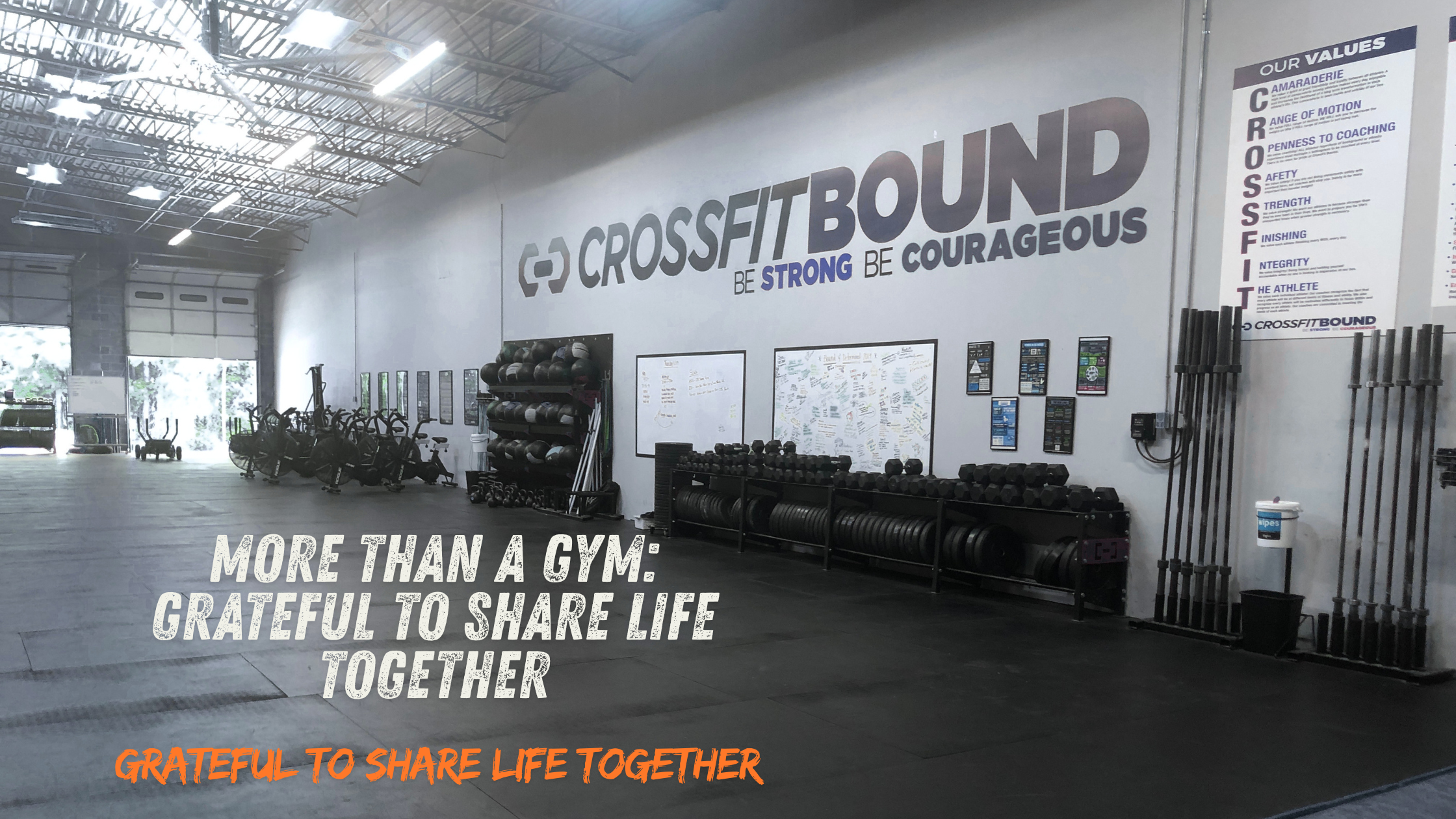
More Than a Gym: Grateful to Share Life Together
There are moments when I step back from coaching a class, look around the room, and realize that CrossFit Bound has become so much more than a place to work out.
It's become a place where life happens.
Over the years, I've had the privilege of hearing hundreds of stories. Stories of victories that deserve to be celebrated. Stories of setbacks that most people never see. Stories of new beginnings, unexpected hardships, incredible resilience, and quiet perseverance.
As coaches, we're fortunate to witness much more than PRs and workouts.
We've watched members walk through our doors unsure of themselves, only to discover confidence they never knew they had.
We've celebrated engagements, weddings, and anniversaries. We've welcomed new babies into the Bound family and watched those children grow up around the gym. We've seen members graduate from school, earn promotions, launch businesses, change careers, retire, and begin entirely new chapters of life.
We've also stood beside people during some of their hardest seasons.
Loss.
Illness.
Divorce.
Financial struggles.
Mental health battles.
Moments when simply walking through the doors to work out felt like the biggest victory of the day.
Those experiences have reminded me that fitness is never just about fitness.
Every person carries a story.
Every smile doesn't always mean life is easy.
Every quiet member has a battle they're fighting that we may never know about.
That's one of the greatest gifts of a community like ours.
The workout becomes the common ground where people from completely different backgrounds, careers, ages, and experiences come together with one purpose—to become a little better than they were yesterday.
In a world where people often feel isolated, disconnected, or judged, a gym community can become something incredibly powerful.
It creates confidence.
It creates accountability.
It creates friendships.
It creates purpose.
Most importantly, it creates belonging.
I've always believed that one of the greatest responsibilities we have at CrossFit Bound isn't writing great programming or teaching better movement—it's protecting the culture that makes people feel welcome the moment they walk through our doors.
Because everyone deserves a place where they can show up exactly as they are.
Not because they're perfect.
Not because they have it all figured out.
But because they're willing to try.
When someone walks into Bound, I don't want them to feel like they have to impress anyone. I want them to know they're joining a community that will celebrate their successes, encourage them through setbacks, and remind them they don't have to carry life's burdens alone.
To every member—past and present—thank you.
Thank you for trusting us with a small part of your journey.
Thank you for allowing us to celebrate your milestones and support you through difficult seasons.
Thank you for making this community what it is.
As we continue moving forward together, let's remember something simple but incredibly important:
Be patient with one another.
Offer encouragement freely.
Celebrate someone's small victory.
Check in on the person who seems unusually quiet.
Introduce yourself to the new member.
Cheer louder than necessary.
Because none of us truly knows what someone is carrying outside these walls.
The hour we spend together each day might be the brightest part of someone's week.
Let's continue building a place where people become stronger—not just physically, but mentally, emotionally, and relationally.
A place where there's no judgment.
Only encouragement.
Only growth.
Only community.
Because at the end of the day, CrossFit Bound has never just been about fitness.
It's about people.
And I couldn't be more grateful to share this journey with each and every one of you.
Welcome….

Welcome Madelyn Ashton Phillips
Born May 4, 2026
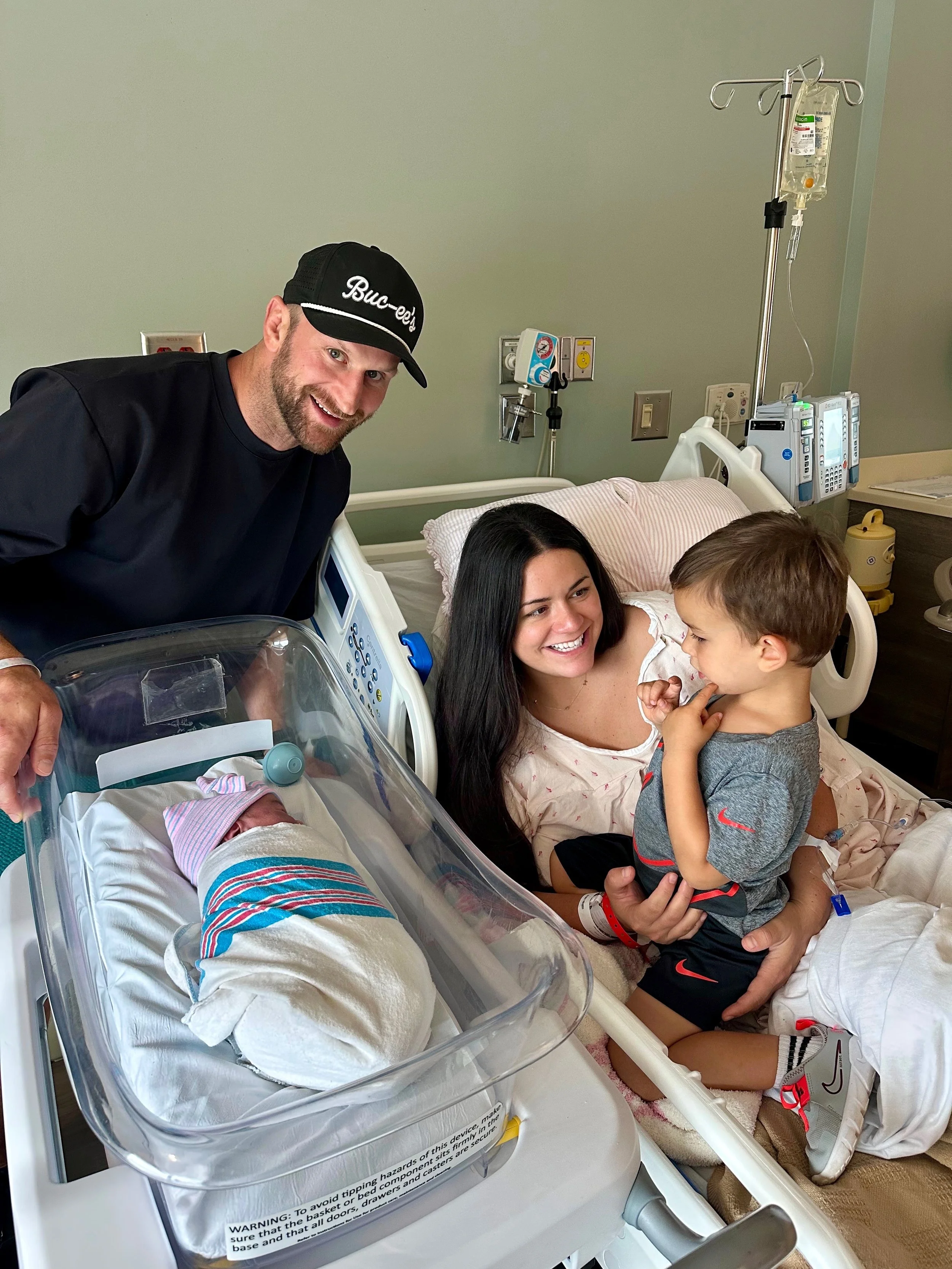
Welcome Hemingway Lucy Heaton
Born June 14th, 2026
Weekly Training Highlight Reel is in the Works
Upcoming Birthdays & Anniversaries
Anniversaries
1- Yr
Michael Rivera June 23
Wilson Washington June 22
2- Yr
Mandi Nobis June 26
Logan Hawkins June 4
Walter Davila June 11
Brian Lawler June 11
3-Yr
Jesus Mundo June 12
Hannah Spratlen June 9
Ryan Boone June 21
4- Yr
Matt Gray June 11
5- Yr
Ryan Kangiser June 23
6- Yr
Raquel Freitas June 14
Erin Jones June 30
Chris Mench June 8
Birthdays
Eric Robinson June 1
Andrew (Seth) Hamlin June 5
Lee Tillman June 9
Alex Markelov June 14
Ashton Phillips June 24
Michelle McCrary June 25
Fanny Pack (Stan Garey) June 25
Paul Hansard June 28
Michael Rivera June 29
From the CFB Member Vault - The CrossFit Bound Travel Discipline Guide
STEP 7: Movement While Traveling
Minimum movement standard:
30 minutes per day
OR
10,000 steps
OR
Hotel gym lift
No gym?
Bodyweight circuit:
3–5 rounds:
20 air squats
15 push-ups
10 lunges each leg
30-second plank
10 burpees
Movement maintains:
Insulin sensitivity
Energy levels
Routine
It also prevents the mental spiral.
STEP 8: Alcohol Guidelines
Alcohol impacts:
Sleep quality
Testosterone
Recovery
Fat loss
Travel rule:
Maximum:
1–2 drinks per night
Not every night
Dry wine or clear liquor + soda
Avoid:
Sugary cocktails
Late night drinking
Drinking without eating protein
If you drink:
Hydrate aggressively.
STEP 9: Hydration Rule
Travel increases dehydration due to:
Air travel
Sodium-heavy meals
Alcohol
Disrupted sleep
Minimum:
Half your bodyweight in ounces daily.
Add electrolytes if flying.
Hydration protects performance.
STEP 10: Sleep Protection
Travel sleep disruption:
Increases cortisol
Impairs recovery
Increases hunger hormones (ghrelin)
Protect sleep:
Dark room
Cool temperature
Limit alcohol
No phone 30 minutes before bed
Sleep protects discipline.
STEP 11: The 3-Day Reset Rule
If travel causes deviation:
Return immediately.
Do not wait until Monday.
Reset plan:
Day 1 home:
High protein
Lower carb
Lift heavy
Hydrate
Sleep 8 hours
That single day resets momentum.
Stay strong. Stay lean. Stay consistent.
Travel does not ruin progress.
Lack of structure does.
You don’t need perfection while traveling.
You need standards.
At CrossFit Bound, we follow 5 travel rules:
Protein never drops
Movement never stops
Hydration increases
Sleep is protected
Alcohol is controlled
If you maintain those five — you stay aligned.
STEP 1: Set the Standard Before You Leave
Before the trip:
Pack protein (bars, whey packets, jerky)
Book a hotel with a gym if possible
Look at restaurant options in advance
Decide your alcohol limit
Preparation prevents impulse decisions.
STEP 2: The Travel Nutrition Framework
Every meal while traveling follows:
🥩 Protein first (30–50g minimum)
🥦 Vegetables second
🍚 Carbs strategically (based on activity)
🥑 Fats controlled
🚫 No liquid sugar
If you follow this framework, you can eat almost anywhere.
STEP 3: Airport Strategy
Airports are calorie traps.
Avoid:
Cinnamon rolls
Smoothies with hidden sugar
Fast food combos
Pastries
Look for:
Grilled chicken salads
Hard boiled eggs
Greek yogurt
Protein snack packs
Beef jerky (low sugar)
Burrito bowls
Sushi
Pro tip:
Eat a high-protein meal before leaving for the airport.
Hunger destroys discipline.
STEP 4: Hotel Breakfast Survival
Skip:
Waffles
Muffins
Sugary cereal
Fruit juice
Build:
Eggs
Extra egg whites (if available)
Sausage or lean protein
Fruit
Black coffee
Protein anchors the day.
STEP 5: Business Dinners
You do not need to explain your choices.
Quietly:
Skip bread basket
Order steak, chicken, or fish
Ask for vegetables
Get sauce on the side
Control portion size
Discipline is silent.
STEP 6: Vacation Strategy (Relaxed but Structured)
Vacations are not prep phases.
But they are not free-for-alls.
Use the “One Upgrade Rule”:
If dinner is indulgent → breakfast and lunch are strict.
If dessert is planned → carbs earlier are reduced.
If alcohol is included → protein stays high and hydration doubles.
Structure creates freedom.
*If you are member and need access email info@crossfitbound.com to get the password*
Upcoming Events & Summer Kids Class
☀️ CrossFit Bound Kids Summer Classes –Have Started ☀️
Keep your kids active, confident, and having fun all summer long with our CrossFit Bound Kids program! These classes are designed to build coordination, strength, and confidence through age-appropriate fitness, games, and movement.
Mini Movers (Ages 3–5)
A fun and energetic introduction to movement! Kids will learn basic motor skills, balance, coordination, and body awareness through games and structured play.
🗓 Wednesdays: 10:15–11:00 AM
💲 $85/month or $150 for the full summerJunior Jumpers (Ages 6–12)
Perfect for developing strength, fitness, and confidence! These classes introduce foundational CrossFit movements, teamwork, and discipline in a fun, supportive environment.
🗓 Tuesdays & Wednesdays: 9:00–10:00 AM
💲 $120/month or $200 for the full summerSpots are limited—secure your child’s place by using the QR links below and give them a summer full of movement, growth, and fun!

Age group 6-12 yrs old - Junior Jumpers - will meet Tuesday & Wednesdays from 9-10am.
Cost is $120 monthly or $200 paid in full (+$50 for sibling)

Age group 3-5 yrs old - Mini Movers - will meet on Wednesdays from 10:15-11am
Cost is $85 monthly or $150 paid in full (+$50 for sibling)
Bound Hybrid is CrossFit Bound’s new hybrid training program designed to blend strength, endurance, and functional fitness into one challenging and rewarding class experience.
Each session combines:
Running
Rowing & Ski Erg
Functional strength work
Carries, sleds, and bodyweight movements
Aerobic conditioning
Interval training
Performance-focused workouts
This class is built for athletes of all levels looking to:
Improve endurance
Increase work capacity
Build mental toughness
Develop sustainable fitness
Prepare for HYROX-style events or endurance challenges
Become a more well-rounded athlete
No competition experience required. Just bring effort and consistency.
This class will be included into your membership (ie: this will count towards 3 day week memberships)
Starting Sunday, June 7 at 9:00 AM with Coach Sergio Rivera.
Education: CrossFit Journal Article “CrossFit Builds People Who Are Harder To Break: Why Our Programming Is Anything but Random”
By Spencer Hendel, CF-L4
Before I ever wrote a program, I had already been shaped by one. Growing up, hard work was the standard — not the exception. My dad modeled that early, and it stuck. In the gym, those values took a specific form: technique before intensity, consistency over motivation, and a willingness to push into discomfort when it would have been easier to back off. That foundation is the lens through which I program. It always has been, and it is what led me to this definition.
Programming is the deliberate organization of movements and skills into sequences designed to systematically expand an individual’s physical and psychological tolerances over time.
My programming lives in the space between structure and suffering. Couplets, chippers, intervals, and 5-round efforts — all deliberately kept between 10 and 20 minutes — because that window is where real adaptation happens. Long enough to hurt, short enough to demand everything. Movements are chosen not just for what they train, but also for how they conflict with one another, forcing the body to shift, recover, and adapt mid-effort. The physical and mental are not separate. The goal is to challenge people in both.
That means a good workout should make an athlete question themselves. The moment of self-doubt — the point where the body is screaming and the mind has to make a decision — is not a flaw in the programming. It is the goal. Push through or pull back. Keep moving or coast. That decision, made repeatedly over time, is what builds mental fortitude. The movements, time domain, loading, and structure of the workout are all tools to get the athlete to that moment. Getting them there is the easy part. What they do when they arrive is what defines them.
What that moment looks like, however, is different for everyone. I have been programming for nearly 20 years — for gyms, individuals, and myself — and the conclusion is always the same: there is no perfect program. What exists are programs that are right or wrong for a given goal.
What are you training for?
What are your strengths and weaknesses?
Are you chasing general preparedness or a specific skill, movement, or event?
The direction is in the answers.
Answering those questions honestly almost always reveals that less is more. Most people, in most situations, can achieve their goals and live better lives by doing one workout a day and managing their work-to-rest ratio. Overuse and overtraining account for far too many burnouts and injuries. This is where programming becomes more than just workout selection; it is the deliberate management of movement function redundancy and volume accumulation over time.
Managing that history is where the process begins. Building a workout doesn’t start with the workout. It starts with everything that came before it:
What have the athletes done this week, last week, a month ago?
Which movements have been repeated and which have been neglected?
How many times have we gone overhead, squatted, pushed, pulled?
What time domains have we been living in?
The program has a history, and that history has to be accounted for before anything new is added. From there, the goal drives everything else. The history tells you where you are. The goal tells you where you are going. The workout is just the next step between the two.
That next step begins with movement selection, which fills the gaps identified in the analysis. Every movement choice is a decision about where and when the athlete will feel the stimulus and fatigue. Combine movements with minimal interference, and the limiting factor becomes cardiorespiratory endurance — the athlete keeps moving until their engine gives out. Increase the interference and the limiting factor shifts to muscular fatigue in workouts such as the Hero WOD JT — the athlete slows down because their muscles have reached failure, not because they are out of breath. Load, volume, and distance are the remaining variables. Adjust any one of them, and the pace of the entire workout changes. Together, these choices give the programmer precise control over the stimulus, and precise control over the stimulus is what separates a purposeful workout from a random one.
A purposeful workout always has a standard. A standard exists for a reason. It defines the stimulus, sets the expectation, and gives the athlete something to chase. Scaling is not the absence of standard — it is the path toward it. The goal is always to close the gap between what the athlete can do today and what the workout demands. We scale for progress, not participation. The standard never moves. The athlete does.
Programming is a science. It requires a deep understanding of movement, stimulus, adaptation, and the athlete in front of you. But it is also an art, and like any art, the tools only take you so far. What separates a good program from a great one is the understanding behind it. Why these movements? Why this format? Why now. Nearly 20 years of programming have shaped how I approach every workout I write. The foundation, the philosophy, the process, and the standard are all expressions of that understanding.
The goal has always been the same: to build people who are harder to break. In the gym and beyond it.
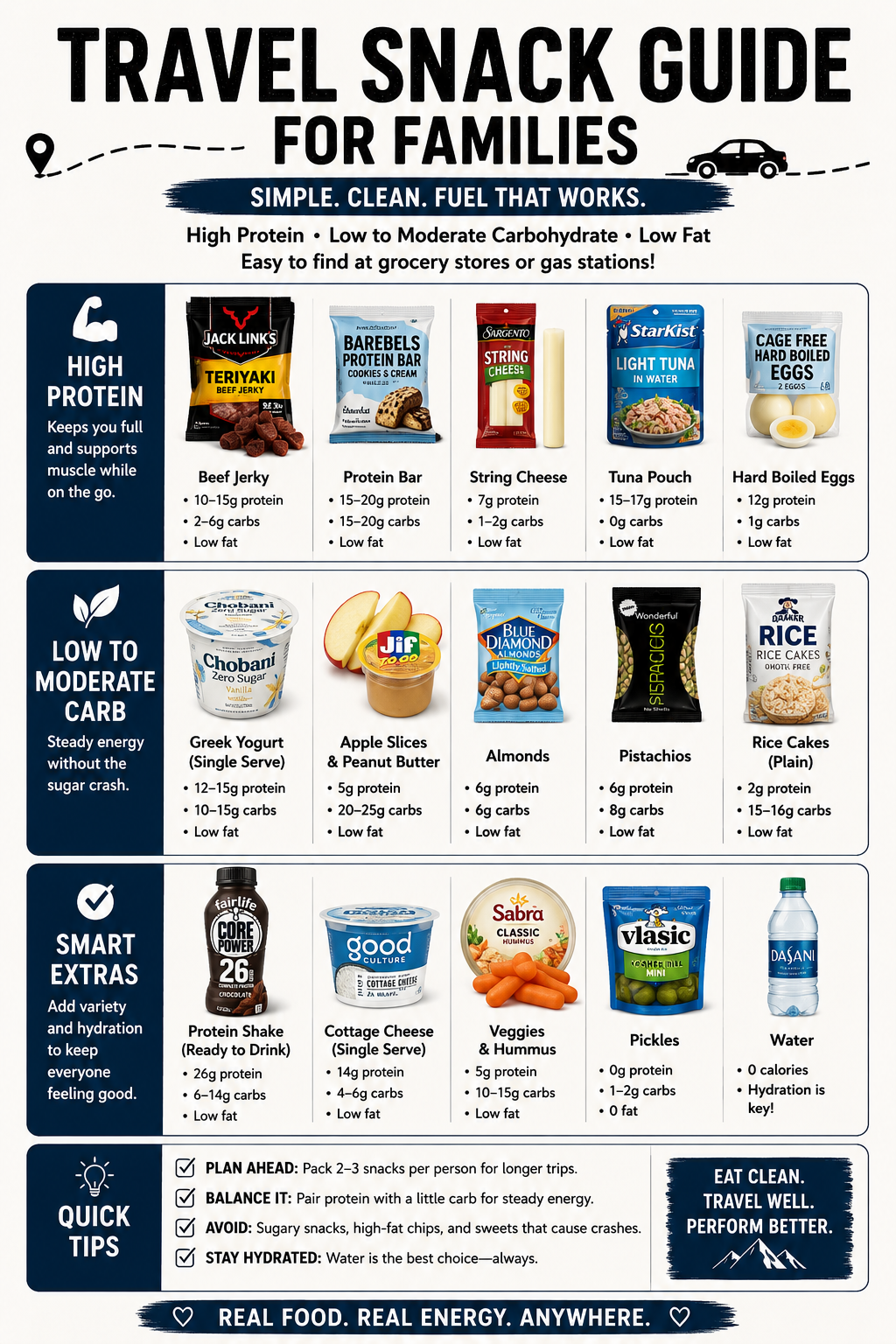
Travel Snack Guide for Families
Fuel the Adventure Without the Sugar Crash
Whether you're headed to the beach, the ball field, or on a cross-country road trip, travel days don't have to mean living on chips, candy, and fast food. A little planning can keep everyone energized, satisfied, and feeling their best.
Easy Snack Combinations
Option 1
Fairlife Protein Shake
Banana
≈ 30g protein
Option 2
Beef Jerky
Apple
≈ 18g protein
Option 3
Greek Yogurt
Berries
≈ 18–20g protein
Option 4
Cottage Cheese Cup
Rice Cakes
≈ 16g protein
Option 5
Tuna Packet
Whole Grain Crackers
≈ 20g protein
Option 6
Hard-Boiled Eggs
Grapes
≈ 12–14g protein
Tips for Traveling with Kids
Kids don't need a completely different snack strategy—they just need smaller portions and fun options.
Try packing:
Fruit
Cheese sticks
Turkey or beef sticks
Yogurt tubes
Rice cakes
Pretzels
Applesauce pouches
Popcorn
Protein milk (Fairlife Nutrition Plan or similar)
Avoid using sugary snacks as entertainment. Instead, offer small snacks every 2–3 hours and encourage drinking water throughout the trip.
Before You Hit the Road
Pack a small cooler with:
Protein drinks
Greek yogurt
Cottage cheese cups
Cheese sticks
Hard-boiled eggs
Fresh fruit
Vegetables
Ice packs
It takes just a few minutes to prepare and can save money while helping everyone feel better when you arrive.
Remember
Travel doesn't have to derail healthy habits. Every meal or snack is simply another opportunity to fuel your body well. Focus on eating enough protein, choosing whole foods when possible, and staying hydrated. Consistency—not perfection—is what keeps you feeling your best on the road.
Real Food. Real Energy. Anywhere.
The goal is simple:
✅ Prioritize protein to stay full longer
✅ Choose low to moderate carbohydrates for steady energy
✅ Keep fat moderate to avoid feeling sluggish on long drives
✅ Stay hydrated throughout the trip
Protein-First Snacks
These are easy to find at most grocery stores and many gas stations.
Beef or turkey jerky
Tuna or salmon packets
Hard-boiled eggs
Low-fat string cheese
Cottage cheese cups
Nonfat Greek yogurt
Ready-to-drink protein shakes (Fairlife Core Power, Premier Protein, Quest)
Roasted edamame
Protein bars (look for 15–20g protein and less than 10g added sugar)
Healthy Carbohydrates
Pair your protein with a small serving of carbohydrates for sustained energy.
Great options include:
Apples
Bananas
Grapes
Berries
Baby carrots
Snap peas
Plain rice cakes
Whole grain crackers
Pretzels
Individual oatmeal cups (great for hotel stays)
Smart Add-Ons
These foods add variety while keeping nutrition on track.
Pickles
Hummus snack packs
Cucumbers
Bell peppers
Mini oranges
Unsweetened applesauce pouches
Popcorn (lightly salted)
Sparkling water
Electrolyte packets (low sugar)
Gas Station Wins
Most major gas stations now carry healthier options if you know what to look for.
Grab:
✔ Fairlife Protein Shake
✔ Quest Protein Bar
✔ Beef Jerky
✔ Hard-Boiled Eggs
✔ String Cheese
✔ Greek Yogurt
✔ Pickles
✔ Fresh Fruit
✔ Bottled Water
Skip:
❌ Candy
❌ Sugary pastries
❌ Energy drinks loaded with sugar
❌ Large bags of chips
❌ Fried convenience foods
Weekly Training Breakdown